
Empowering Moms: The Essential Role of First Aid Kits in Every Home

Every mom knows that children are curious explorers, often getting into scrapes and bumps as they learn about the world. Accidents happen quickly and unexpectedly, and being prepared can make all the difference. Having a well-stocked first aid kit at home is not just a convenience—it is a vital tool that helps moms respond confidently and effectively to minor injuries and emergencies.
This post explains why first aid knowledge and a first aid kit are essential for every household, especially for moms who are often the first responders when accidents occur. It also offers practical advice on what to include in a first aid kit and how to use it properly.
Why First Aid Matters for Moms
Children are naturally active and adventurous, which increases the chances of cuts, bruises, burns, or falls. When an injury happens, the first few minutes are critical. Knowing basic first aid can:
Reduce the severity of injuries by providing immediate care.
Prevent infections through proper wound cleaning.
Calm the child and family by showing control and readiness.
Avoid unnecessary hospital visits for minor injuries.
Save lives in more serious situations by stabilizing the child until professional help arrives.
Moms who understand first aid can act quickly and confidently, turning a stressful moment into a manageable one.
What Every Home First Aid Kit Should Include
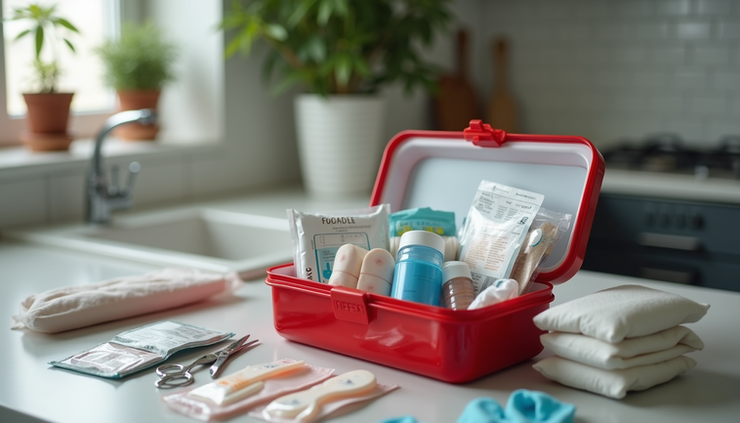
A first aid kit is only useful if it contains the right items. Here’s a practical list tailored for families with children:
Adhesive bandages in various sizes for small cuts and scrapes.
Sterile gauze pads and adhesive tape for larger wounds.
Antiseptic wipes or solution to clean wounds and prevent infection.
Antibiotic ointment to apply on cuts and scrapes.
Tweezers for removing splinters or debris.
Scissors with blunt tips for cutting tape or clothing.
Disposable gloves to maintain hygiene while treating wounds.
Thermometer to check for fever.
Cold packs to reduce swelling from bumps or bruises.
Burn cream or aloe vera gel for minor burns.
Pain relief medication suitable for children (always follow dosage instructions).
Emergency contact numbers and a first aid manual or quick reference guide.
Keep the kit in a visible, easily accessible place known to all caregivers. Regularly check and replace expired or used items.
How Moms Can Learn Basic First Aid Skills
Having a first aid kit is one step; knowing how to use it is another. Moms can build their first aid skills through:
Local first aid courses offered by community centers or health organizations.
Online tutorials and videos from trusted sources like the Red Cross.
Reading first aid manuals included in kits or available online.
Practicing simple techniques such as cleaning wounds, applying bandages, and performing CPR.
Many communities offer family-friendly first aid workshops designed to teach parents how to handle common childhood injuries and emergencies.
Common Childhood Injuries and How to Handle Them
Understanding typical injuries helps moms prepare and respond effectively:
Cuts and Scrapes
Clean the wound with water or antiseptic wipes. Apply antibiotic ointment and cover with a bandage. Change the dressing daily and watch for signs of infection like redness or swelling.
Burns
Cool the burn immediately with running cool water for 10-20 minutes. Avoid ice or greasy creams. Cover with a sterile, non-stick dressing. Seek medical help if the burn is large or blistered.
Falls and Bruises
Apply a cold pack wrapped in cloth to reduce swelling. Keep the child comfortable and watch for signs of concussion such as dizziness or vomiting.
Choking
If a child is choking, perform age-appropriate first aid techniques like back blows and abdominal thrusts. Call emergency services if the airway remains blocked.
Fever and Illness
Use a thermometer to monitor temperature. Offer fluids and rest. Use fever-reducing medication as directed by a healthcare provider.
Tips for Maintaining Your First Aid Kit
Check contents monthly to replace expired or used items.
Customize the kit based on your family’s specific needs, such as allergies or chronic conditions.
Keep instructions updated and accessible.
Educate all family members about the kit’s location and basic use.
Include a flashlight and extra batteries for emergencies during power outages.
Encouraging a Safety Mindset at Home
Beyond having a first aid kit, moms can foster a culture of safety by:
Teaching children simple safety rules.
Supervising play areas and removing hazards.
Keeping emergency numbers visible.
Practicing emergency drills like fire escape routes.
This proactive approach reduces accidents and prepares the whole family to respond calmly when they occur.
Checklist for MOMS


Comments